Why Fall Allergies Hit Hard in San Antonio (and How to Find Relief)
Posted On:
Why Fall Allergies Hit Hard in San Antonio
Sniffles, sneezing, itchy eyes: allergy season is no joke in San Antonio. Many people expect allergies in spring, but fall can be just as miserable.
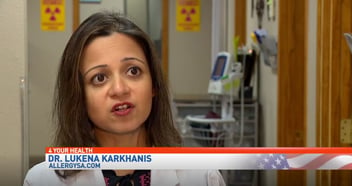
AllergySA allergists Dr. Julian Adame and Dr. Fiona Adame were recently featured on KENS5’s Great Day SA to talk about fall allergies in San Antonio and the treatment options available. Watch the full segment here. Below, we’ve pulled together the highlights of what they shared.
What’s Triggering Fall Allergies?
Right now, our office is seeing children and adults with the classic symptoms:
- Runny nose
- Itchy, watery eyes
- Nasal congestion
“The major allergen in the fall is ragweed, but there are many other weeds that pollinate during this period too. Mold can also add to the problem, especially after weather changes and heavy rainfall. Allergists track pollen and mold counts closely for this reason." - Dr. Julian Adame
When Allergies Affect Kids
For children, untreated allergies are about more than a stuffy nose. Dr. Fiona explains that kids with uncontrolled allergies are often congested and not sleeping well, and sleep affects nearly everything:
- Mood: tired, congested kids are often cranky and unfocused
- School performance: poor sleep makes it harder to learn
- Sports and activities: coughing and congestion can keep kids on the sidelines
“Our goal isn’t just treating the sneezing and congestion; it’s getting their quality of life back: sleeping better, performing better at school, and joining in on the activities they enjoy.” - Dr. Fiona Adame
Know Your Triggers: A Three-Part Approach to Relief
Over-the-counter medications help many people, but Dr. Julian recommends knowing exactly what you’re allergic to. Allergy testing takes the guesswork out, so you can avoid or prepare for your specific triggers.
From there, allergists typically use a three-part approach, starting with one step and moving to the next as needed:
- Avoidance: limiting exposure to the things that trigger your symptoms
- Medical management: nasal sprays, oral antihistamines, and other prescription medications
- Allergy immunotherapy: most commonly allergy shots, though other options exist
Your allergist can help you decide which fits best.
Don’t Wait for Symptoms to Start
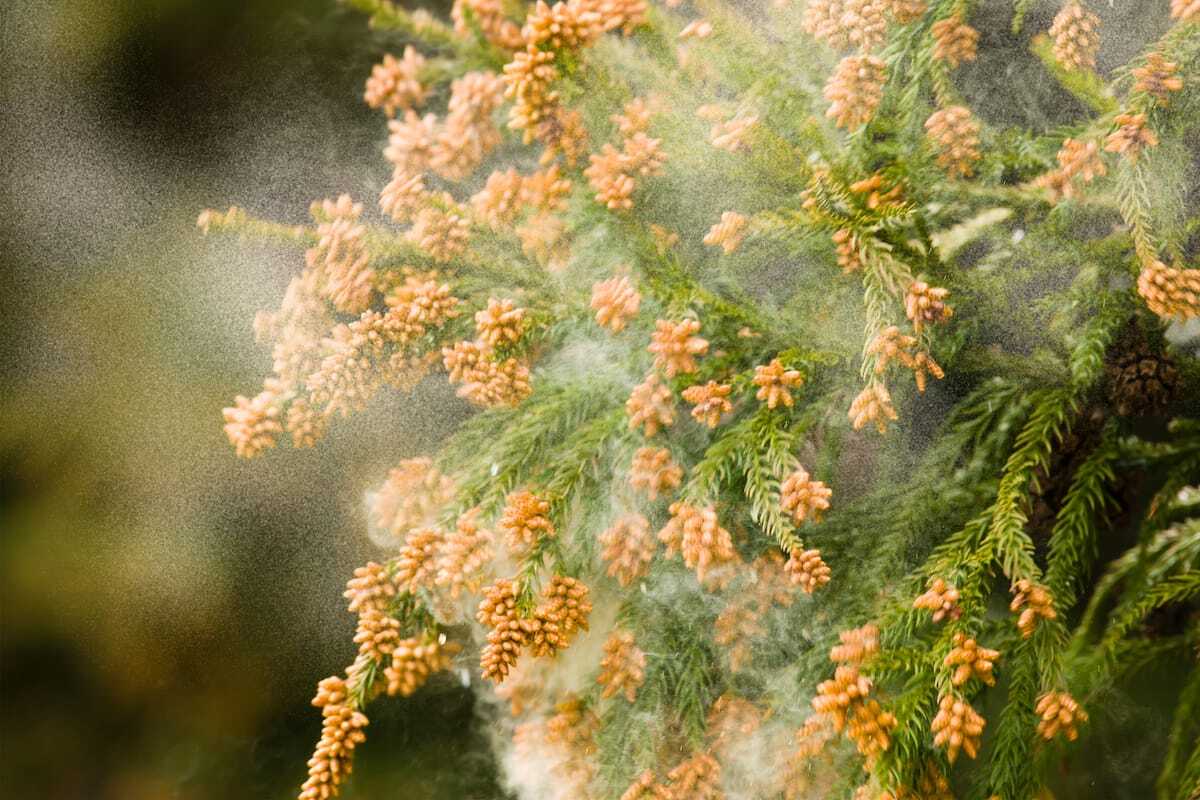
Dr. Fiona’s top advice for families: don’t wait. If you know ragweed or mountain cedar is a problem for you, schedule a visit before symptoms start so your allergist can build a treatment plan in advance.
"Just because allergy season is coming doesn’t mean you have to suffer. There are good treatment options out there, and we can help.” - Dr. Fiona Adame
Schedule Your Visit
Ready to get ahead of your allergies? Schedule an appointment with one of AllergySA's board-certified allergist!