
Environmental Allergies in San Antonio, TX
Seasonal pollen and year-round indoor allergens can cause recurring symptoms in San Antonio. AllergySA evaluates environmental allergies in children and adults. Our board-certified allergists review your symptoms and recommend treatment based on the findings.
What Are Environmental Allergies?
Environmental allergies occur when the immune system reacts to substances in the air or in your surroundings that are usually harmless. These substances are called allergens. Common examples include pollen, mold spores, dust mites, and pet dander.
Some environmental allergies are seasonal. Others cause symptoms throughout the year. When and where symptoms occur can offer clues. Your allergist will decide whether testing would help identify the triggers.
Common Environmental Allergens in San Antonio
South Texas pollen seasons can overlap. Mountain cedar, oak, and ragweed affect patients at different times of year. Mold, which can be found both indoors and outdoors, may trigger symptoms year-round, while dust mites and pet dander are common sources of persistent indoor allergies.
Pollen Allergies
Tree, grass, and weed pollens are common causes of seasonal allergies. In San Antonio, mountain cedar pollen may appear as early as November, with many patients noticing their worst symptoms in December, January, and February. Oak pollen is another common local trigger in spring, while ragweed pollen can affect patients from late summer into fall.
Pollen is light enough to travel through the air and can collect on clothing, hair, shoes, pets, and outdoor furniture, causing some symptoms to continue even when the plants producing the pollen are not growing near your home.
Pet Dander Allergies
Pet allergies are caused by proteins found in an animal’s skin flakes, saliva, and urine. These allergens can remain in the air and settle on furniture, carpets, bedding, and clothing. Symptoms may occur even in places where a pet is not currently present because the allergens can be carried from one location to another.
Dust Mite Allergies
Dust mites are microscopic organisms commonly found in bedding, carpets, mattresses, and upholstered furniture. They are a frequent cause of year-round nasal allergy symptoms. People with a dust mite allergy may notice more congestion, sneezing, or coughing while sleeping, cleaning, or spending time indoors.
Mold Allergies
Mold releases microscopic spores that can trigger nasal, eye, and breathing symptoms. Warm, humid conditions in South Texas can support mold growth outdoors and inside damp areas of a home or building. Indoor sources may include bathrooms, window areas, plumbing leaks, or places with high humidity or water damage.
Reducing moisture is an important part of mold control. If mold covers a large area or is connected to significant water damage, professional remediation may be needed.
Environmental Allergy Symptoms
Environmental allergies can disrupt sleep or daily activities. Common symptoms include:
- Sneezing
- Runny, stuffy, or itchy nose
- Itchy, watery, or red eyes
- Postnasal drip or throat irritation
- Cough
- Sinus or head pressure
- Fatigue related to poor sleep
- Wheezing, chest tightness, or shortness of breath in people with allergic asthma
Allergy symptoms can resemble a cold or sinus problem. Symptoms that return during the same season or around certain exposures can suggest an allergy, especially when itching is present.
Call 911 for severe breathing difficulty. Recurring wheezing or chest tightness should be discussed with your physician.
How Are Environmental Allergies Diagnosed?
Your allergist reviews your symptoms and medical history and examines you. You’ll discuss when symptoms appear, possible exposures at home or work, and what seems to help or make them worse.
Testing is interpreted together with your history and exam. A positive test alone does not always explain your symptoms, so your allergist looks for a clear connection between the result and your symptoms.
If allergy testing is recommended, skin prick testing is commonly used. Small amounts of allergen extracts are placed on the skin, usually on the back, and gently introduced into the surface with a plastic prick device. Results are generally available in about 15 to 20 minutes. The allergens tested are selected based on your history.
Blood testing may be recommended when skin testing is not appropriate, including for some patients with certain skin conditions, medications, or a higher risk of reactions. If coughing, wheezing, or shortness of breath is part of the picture, lung function testing may also be considered.
Environmental Allergy Treatment
Treatment depends on your triggers, symptom pattern, health history, and how much the symptoms affect your daily life. Your plan may include:
- Practical steps to reduce exposure to identified allergens
- Antihistamines, nasal sprays, eye drops, or other medication guidance
- Asthma treatment when environmental allergens affect breathing
- Allergy immunotherapy for eligible patients who want long-term control
Avoidance steps should be specific to your triggers. For pollen, that may include checking local pollen counts, keeping windows closed when counts are high, and changing clothes after extended outdoor activity. For indoor allergens, recommendations may focus on bedding, humidity, cleaning practices, pets, or moisture control.
Allergy Immunotherapy
Allergy immunotherapy gradually exposes the immune system to controlled amounts of the allergens causing your symptoms. Over time, this may reduce sensitivity and provide longer-term relief for people with environmental allergies or allergic asthma.
AllergySA offers allergy shots and allergy drops for appropriate patients. Allergy shots are given in the office on a regular schedule. Allergy drops are placed under the tongue at home. Your allergist will review your testing results, symptoms, medical history, and schedule to determine whether immunotherapy is appropriate and which option may fit your needs.
Environmental Allergy Specialists in San Antonio
AllergySA has served South Texas for more than 30 years. Our board-certified allergy specialists care for adults and children with seasonal and year-round allergies, asthma, and related conditions. Patients can receive allergy testing, treatment planning, and ongoing care at our Medical Center and Southside locations in San Antonio.
Frequently Asked Questions About Environmental Allergies
How do I know which environmental allergen is causing my symptoms?
Track when symptoms occur and where you’ve been exposed. Your allergist can compare that pattern with your history and examination, then recommend targeted testing if needed.
What is the best treatment for environmental allergies?
There isn’t one best treatment for everyone. Medication and exposure reduction may provide enough control. If symptoms persist, your allergist can discuss whether immunotherapy is appropriate.
When should I see an allergist?
Schedule an evaluation if symptoms keep returning, disrupt sleep or daily activities, or aren’t controlled by over-the-counter medicines. Mention any recurring cough or wheezing when you contact the clinic.
Find Allergy Relief in San Antonio
If allergy symptoms keep returning despite your current treatment, bring a list of the medicines you’ve tried to your AllergySA visit. Your allergist can review what’s helping and what may need to change.
Book an Appointment →Call 210-616-0882 for help choosing our Medical Center or Southside clinic.

We Are Here for You!
Book an appointment at AllergySA to start treating your allergies today!
Schedule an Appointment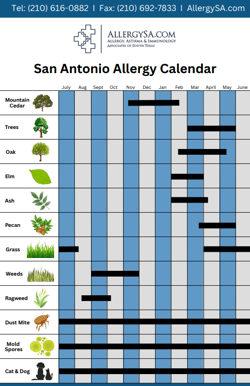
Why Choose AllergySA for Allergy Care in San Antonio
Families across San Antonio choose AllergySA for:
- Board-certified allergy experts caring for children and adults. Meet our providers.
- Same-day appointments (only for established patients - new patients must have an appointment) and walk-in allergy, asthma & sinus care at our Medical Center clinic.
- On-site allergy testing, immunotherapy (shots and drops), and biologic therapies.
- Bilingual (English & Spanish) staff and acceptance of most major insurance plans.
- Two convenient San Antonio locations, plus Saturday hours at Medical Center.
Schedule an appointment today to take control of your allergies and start feeling better.